Property Feasibility
Why residual land value still matters
Residual land valuation remains the most honest test of what a site is really worth. Here is how to read one, and where they usually go wrong.
Ben Robinson PhD
10 November 2026 · 1 min read
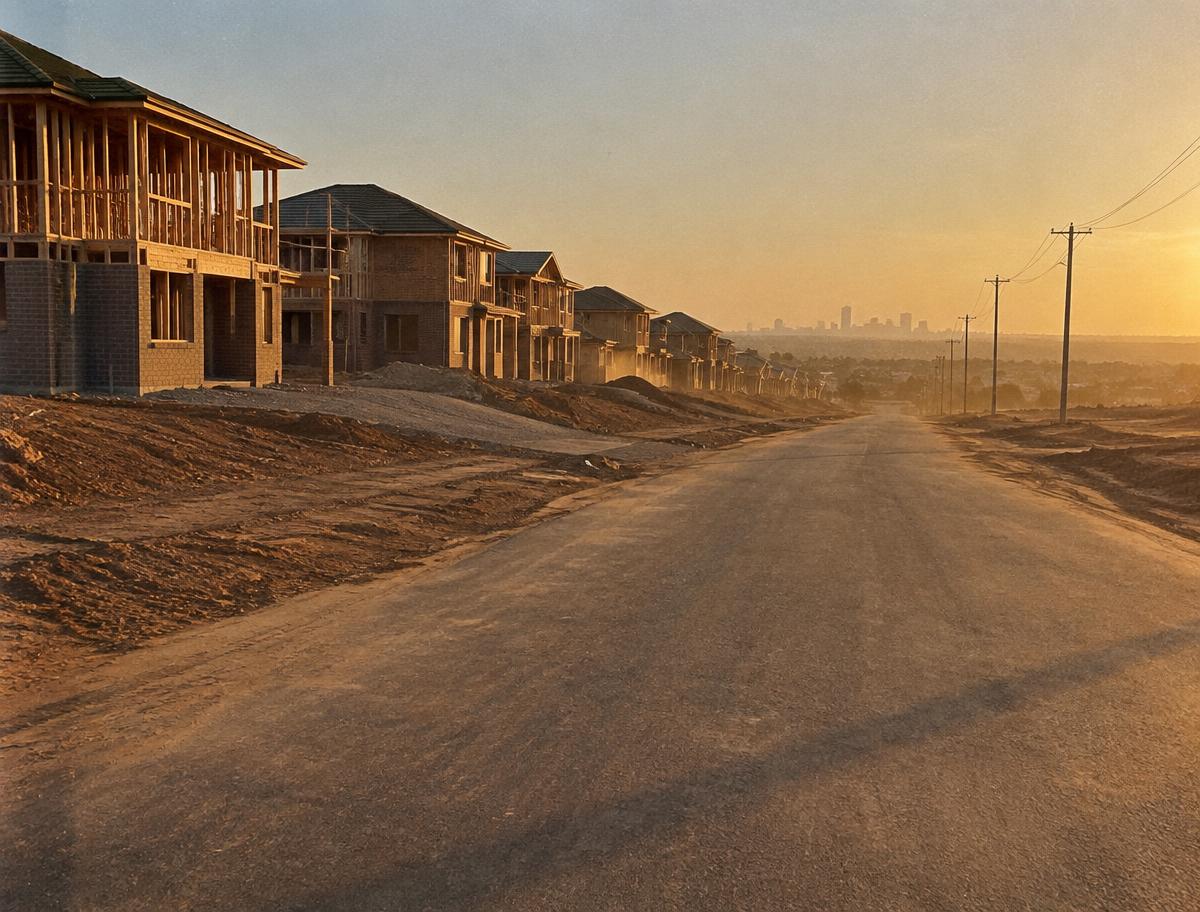
Every development site has a price someone is asking for, and a value the project can actually support. The residual method is how we find the second number.
The basic logic
Start with the total sale value of the finished project, subtract construction, fees, finance, holding costs and a profit margin, and what remains is what you can afford to pay for the land.
Where feasibilities go wrong
- Optimistic end values that assume today's best sale is tomorrow's average.
- Thin contingencies on construction cost in a volatile market.
- Finance timing that ignores how long approvals actually take.
A practical test
Run the residual at three price points and three cost points. If the deal only works in one corner of that grid, it is not a deal — it is a bet.
Good feasibility work is less about the spreadsheet and more about the assumptions behind each cell.